
When my 12-year-old gelding Max started refusing jumps and bucking during our morning rides, I thought he was just being stubborn. Three vets, $4,200 in treatments, and months of pain later, I discovered something that changed everything. This isn't just another horse care story - it's about a condition affecting 39% of riding horses that most owners never properly address.

It started with a phone call from my barn manager. "Sarah, something's wrong with Max." Those five words began a journey that would cost me thousands of dollars, countless tears, and ultimately lead to a discovery that transformed my horse's life.
Max had always been my steady partner. At 12 years old, this bay Warmblood had carried me through countless shows and trail rides. But that Tuesday morning in March, he wouldn't let me tighten his girth. When I finally got the saddle on, he crow-hopped the moment I mounted.
"He's just having an off day," I told myself. We all know that voice - the one that tries to explain away what our gut already knows. But this wasn't an off day. This was the beginning of our kissing spine nightmare.
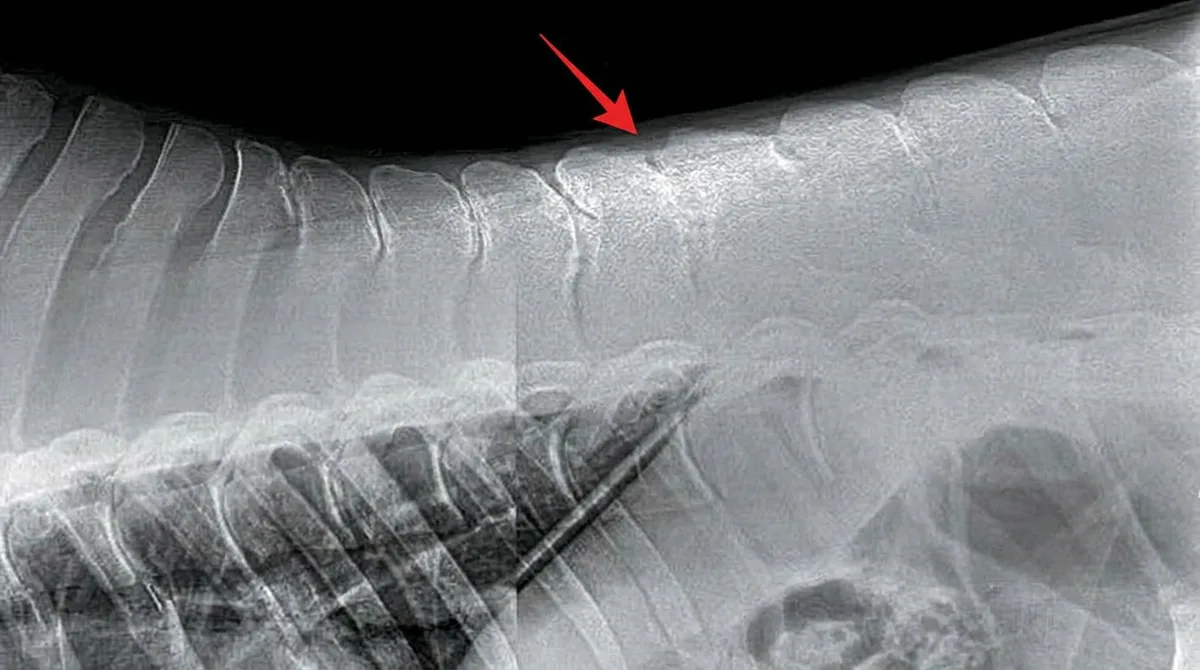
The moment my vet showed me Max's X-rays, I broke down. How had I not seen his pain sooner?
Kissing spine. Two words that strike fear into every horse owner's heart. Officially called Baastrup's Syndrome or Overriding Dorsal Spinous Processes, it's when the vertebrae in your horse's back are too close together, touching or even grinding against each other.
Think about that for a moment. Every step your horse takes, every time you sit in the saddle, those bones are rubbing together. The pain must be excruciating.
The worst part? It often develops right where we place the saddle - between the 13th and 18th thoracic vertebrae. Some horses are born predisposed to it. Others develop it from poor saddle fit, being ridden too young, or compensating for other injuries.
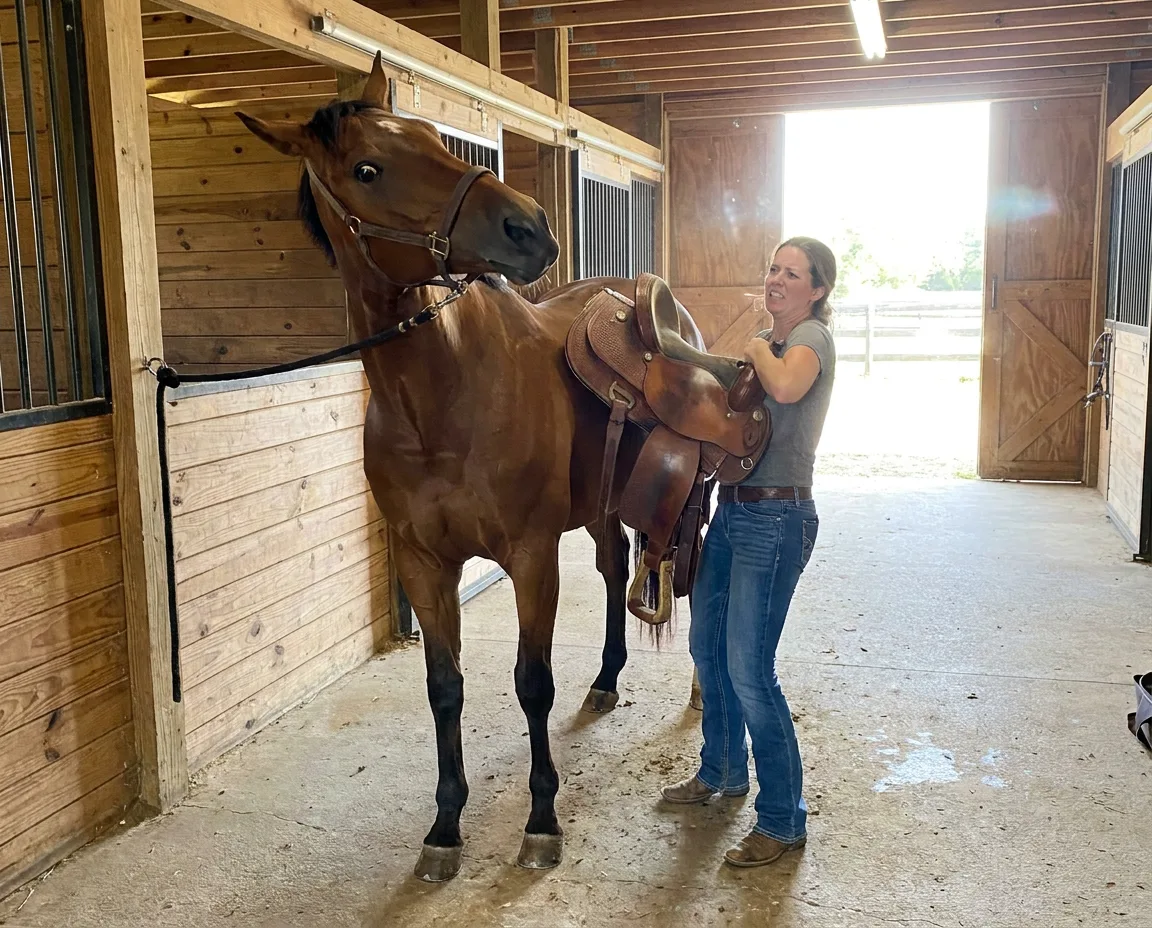
The symptoms read like a checklist of Max's behavior: refusing to be saddled, bucking under saddle, difficulty bending, shortened stride, and that tell-tale sensitivity when you run your hand along their back. Some horses even develop a hollow, tense back that never seems to relax.
But here's what really got me: studies suggest that up to 39% of riding horses have some degree of kissing spine. That's more than one in three horses suffering in silence.
When Max was diagnosed, my vet laid out our options. None were cheap. None were guaranteed.
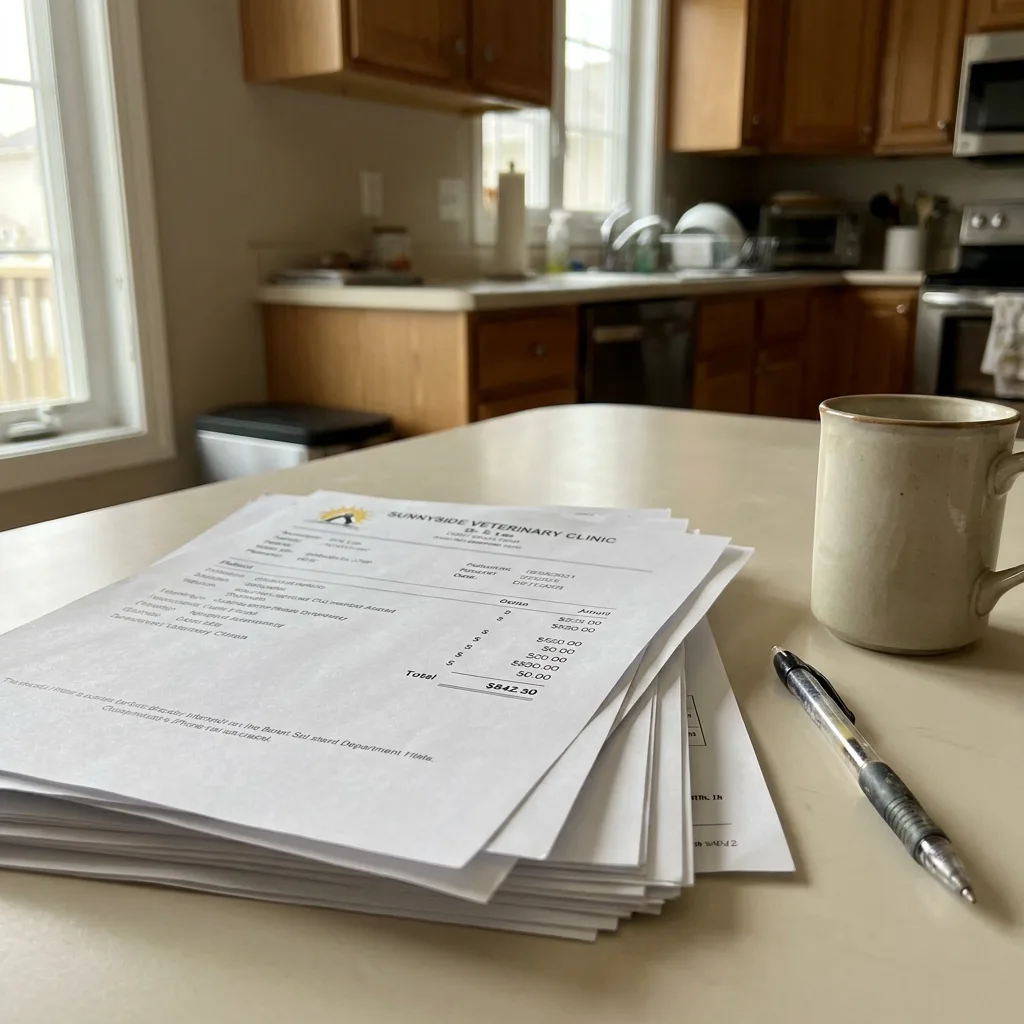
Corticosteroid injections: $800-1,500 per treatment, lasting maybe 6 months if we're lucky. Shockwave therapy: $500 per session, requiring multiple treatments. Surgery (ISLD): $3,000-8,000 with months of rehabilitation.
Then there's the hidden costs. Time off work for recovery. Special rehabilitation programs. Adjusted tack. Some horses never return to their previous level of work. One study found only 72% of horses returned to athletic function after surgery.
Traditional kissing spine treatments are devastating both emotionally and financially. Surgery alone costs $3,000-$8,000, with no guarantee of success.
"I spent $15,000 on treatments that barely helped. My horse was still in pain, and I was broke." - Jessica, Quarter Horse owner
Six weeks into Max's treatment protocol, I was desperate. The injections had provided minimal relief. He was still in pain, and I was running out of options - and money.
That's when I met Linda at a dressage clinic. Her 16-year-old mare had been diagnosed with kissing spine two years earlier. "But look at her now," Linda said as her mare floated past in a perfect extended trot.
"What did you do?" I asked, probably too eagerly.
Linda's answer surprised me. "I stopped focusing on just the spine and started supporting her entire back."
That conversation sent me down a research rabbit hole. I read every study, joined every forum, and interviewed dozens of horse owners. What I discovered challenged everything I thought I knew about treating kissing spine.
The horses who improved most weren't necessarily the ones who had surgery. They were the ones whose owners took a comprehensive approach - addressing not just the spine, but the entire musculoskeletal system.
I learned about red light therapy, originally developed for human athletes. About near-infrared light, which penetrates deeper into the muscle tissue. About the importance of supporting the muscles that have been compensating for back pain.
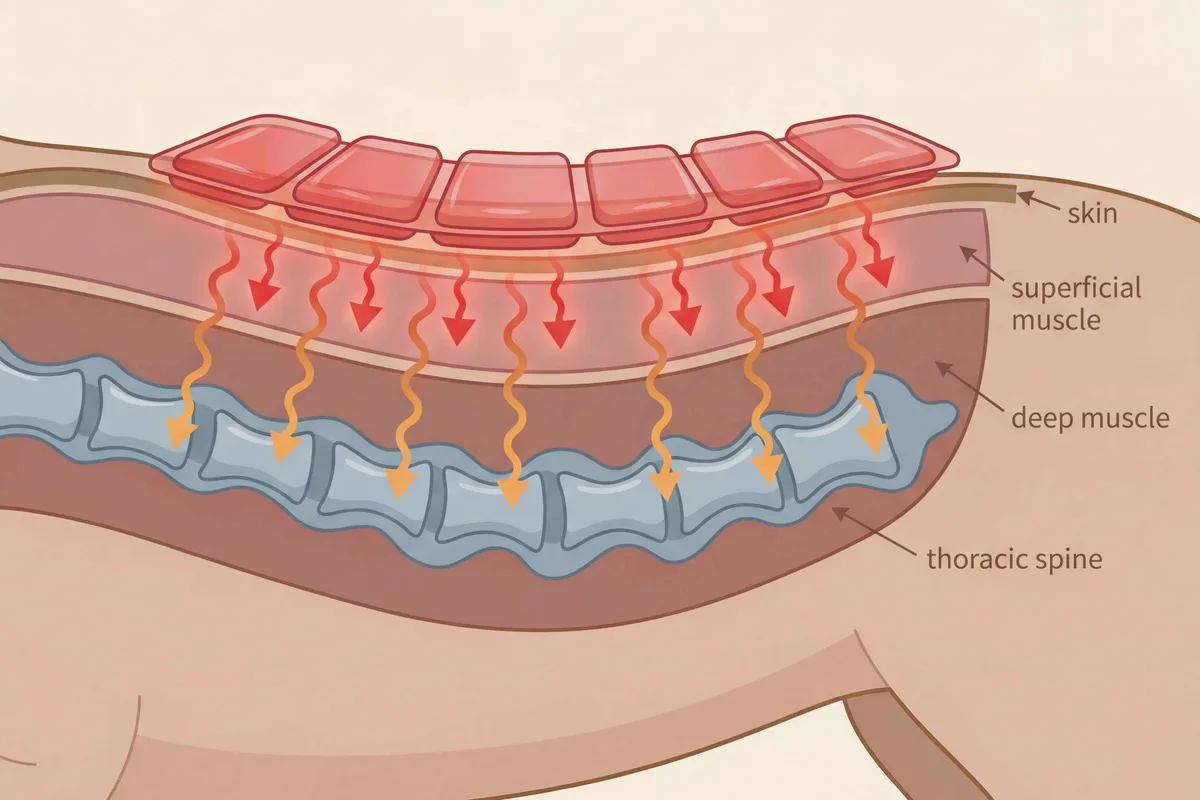
Red and near-infrared light work together at different depths: red wavelengths address the surface tissue, while near-infrared reaches deeper into the muscle layers along the topline, supporting circulation and natural recovery.
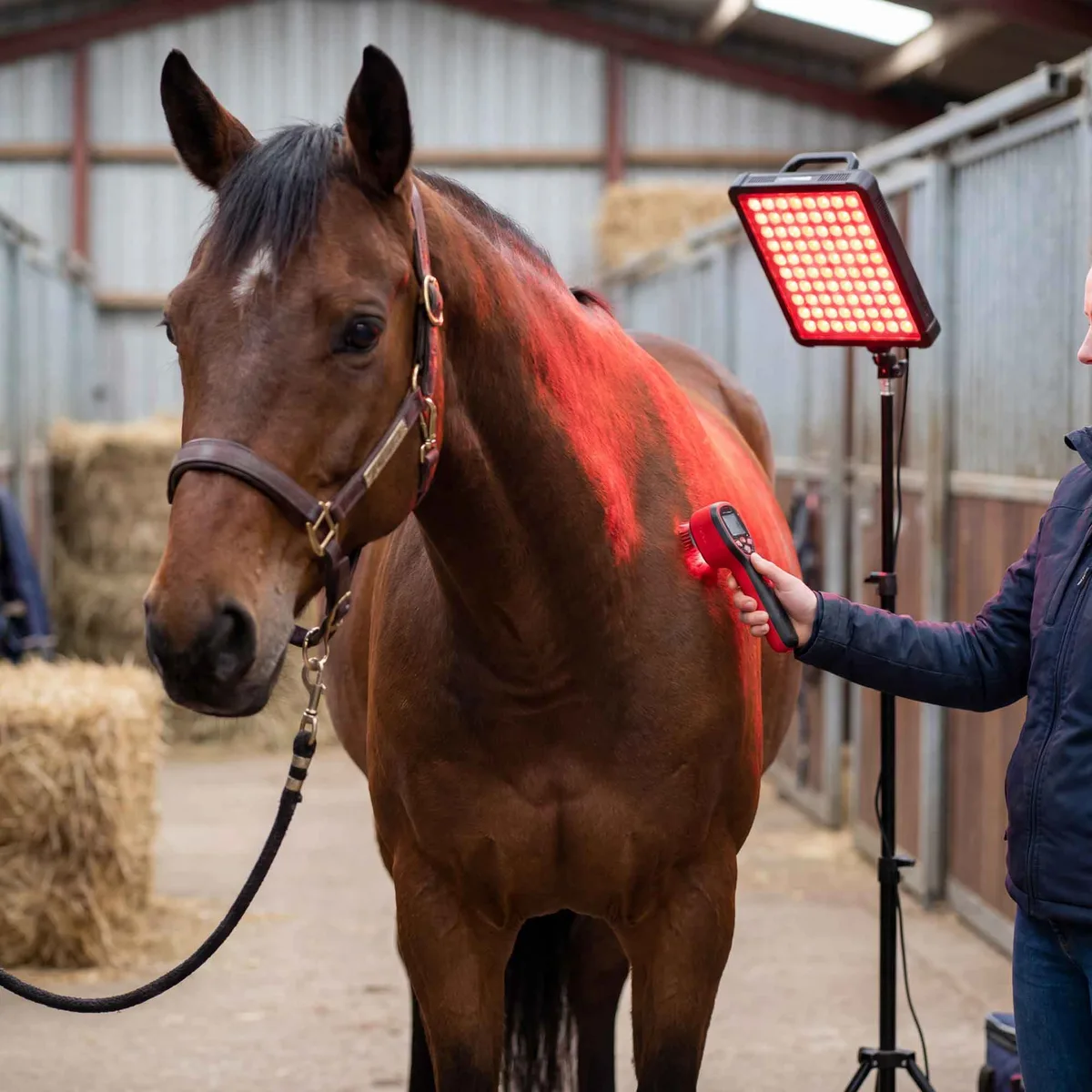
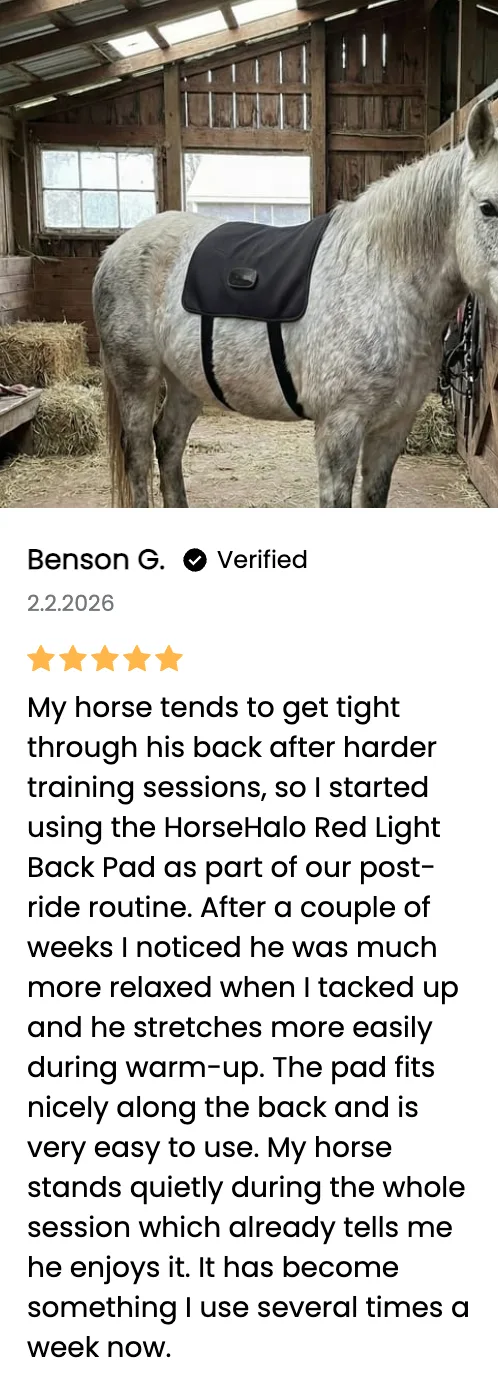
Unlike spot treatments or handheld devices, the pad extends from withers to loin in one piece, reaching the entire problem area in a single session instead of working square inch by square inch.
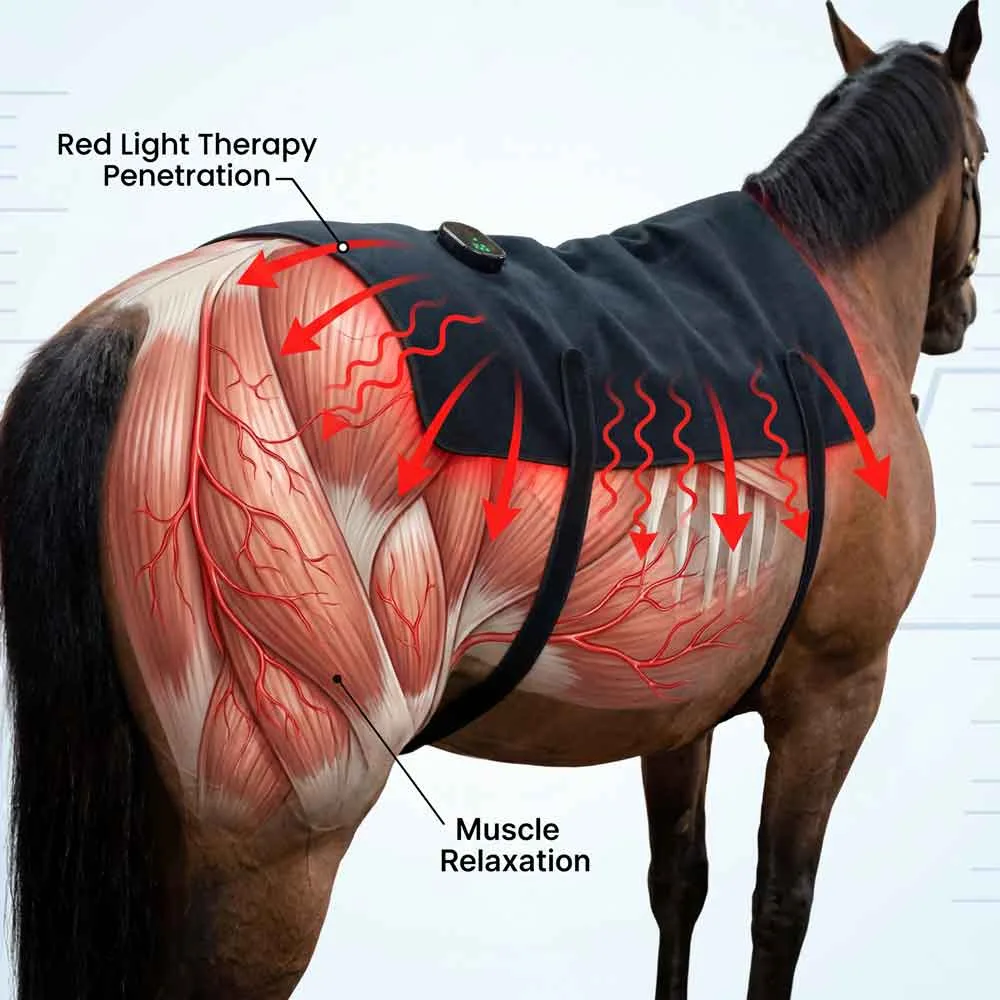
Quiet, gentle, and well-tolerated even by sensitive horses. Designed to fit into the existing care routine, before riding, after training, or on rest days, without injections, sedation, or downtime.
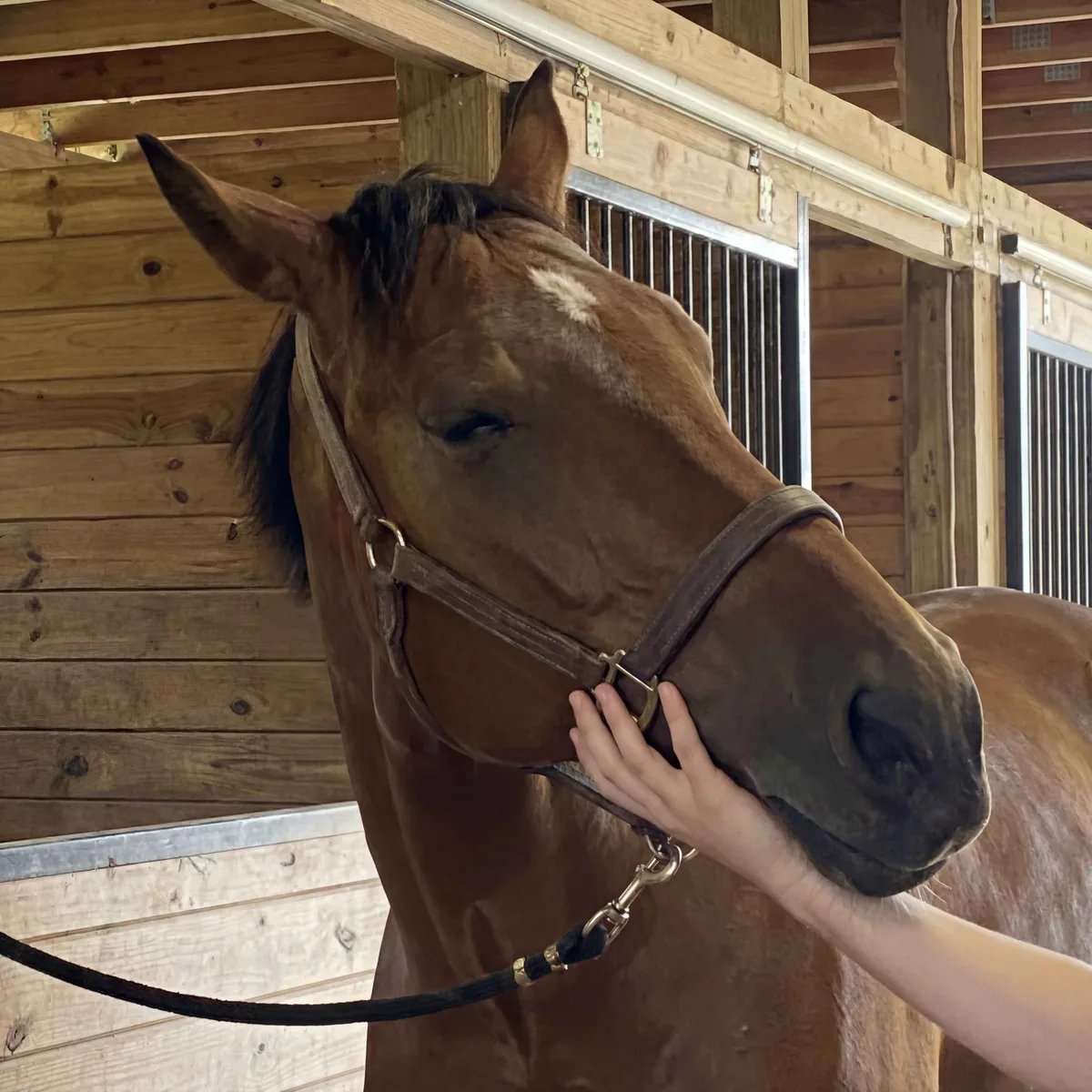
Research shows that combining these approaches can support the body's natural healing processes. While not a replacement for veterinary care, this technology offers a non-invasive support option that many horse owners are discovering.
The key? Consistency and proper application alongside professional veterinary guidance.
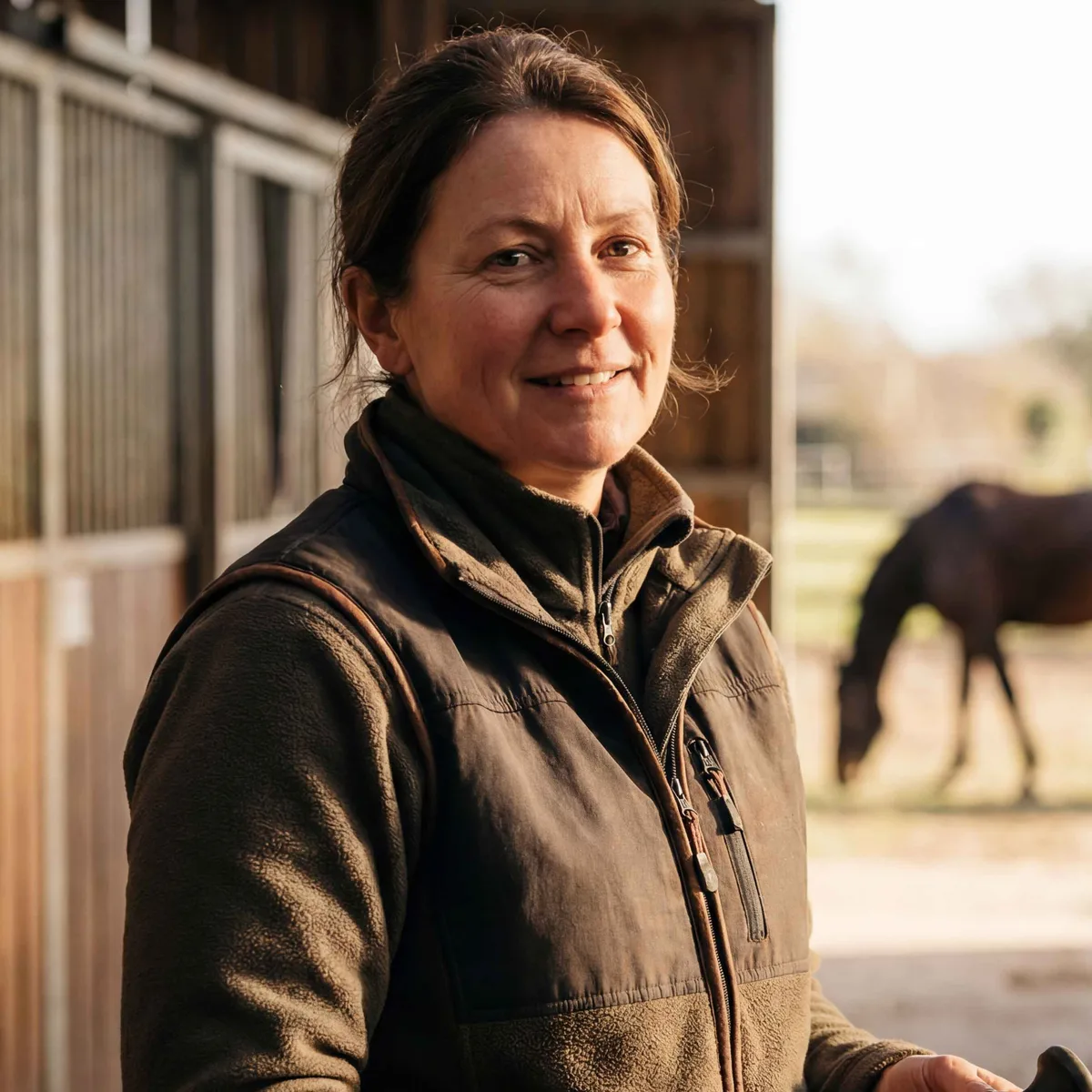
I reached out to several equine bodyworkers and physiotherapists about complementary approaches to kissing spine management.
Supporting the surrounding musculature is crucial. When horses compensate for back pain, they create tension patterns throughout their body.
This insight led me to understand why addressing just the spine itself often fails. The entire back needs support.
Red light therapy has shown promise in supporting tissue recovery. Combined with proper exercise and veterinary care, it can be a valuable tool.
That's when I discovered a product specifically designed for this comprehensive approach.
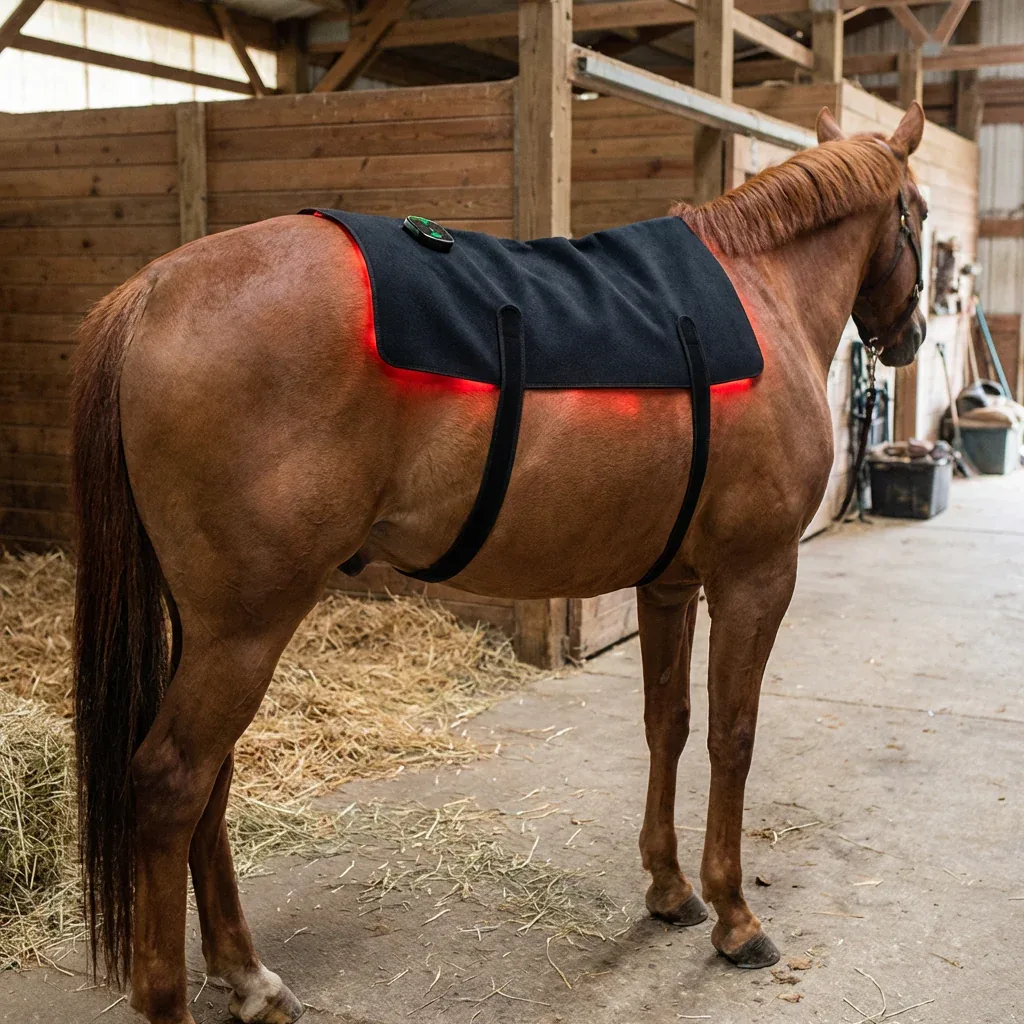
After months of research and trying various approaches, I found the HorseHalo system. It's not a miracle cure - nothing is - but it offers something different: comprehensive support for the entire back area.
Why this system stands out:
I documented everything. Here's what happened when I integrated the HaloBack into Max's daily routine alongside our vet's treatment plan.
Week 1: Started using the HaloBack for 20 minutes daily before riding. Max seemed curious but calm. No dramatic changes yet.
Week 2: First real breakthrough. Max let me groom his back without pinning his ears. The barn manager commented he seemed "softer" in his stall.
Week 3: Attempted our first real ride in weeks. No bucking. His stride felt restricted but willing. I cried tears of relief.
Week 4: The change was undeniable. Max was moving differently - longer stride, relaxed back, no resistance to saddling. For the first time in months, he nickered when he saw me coming.
The problem with most kissing spine approaches? They focus only on the spine itself. But horses develop compensatory patterns - tight shoulders, sore hindquarters, restricted movement throughout their body. Treating just the spine ignores the bigger picture.
You need to support the entire back and surrounding musculature for real improvement.
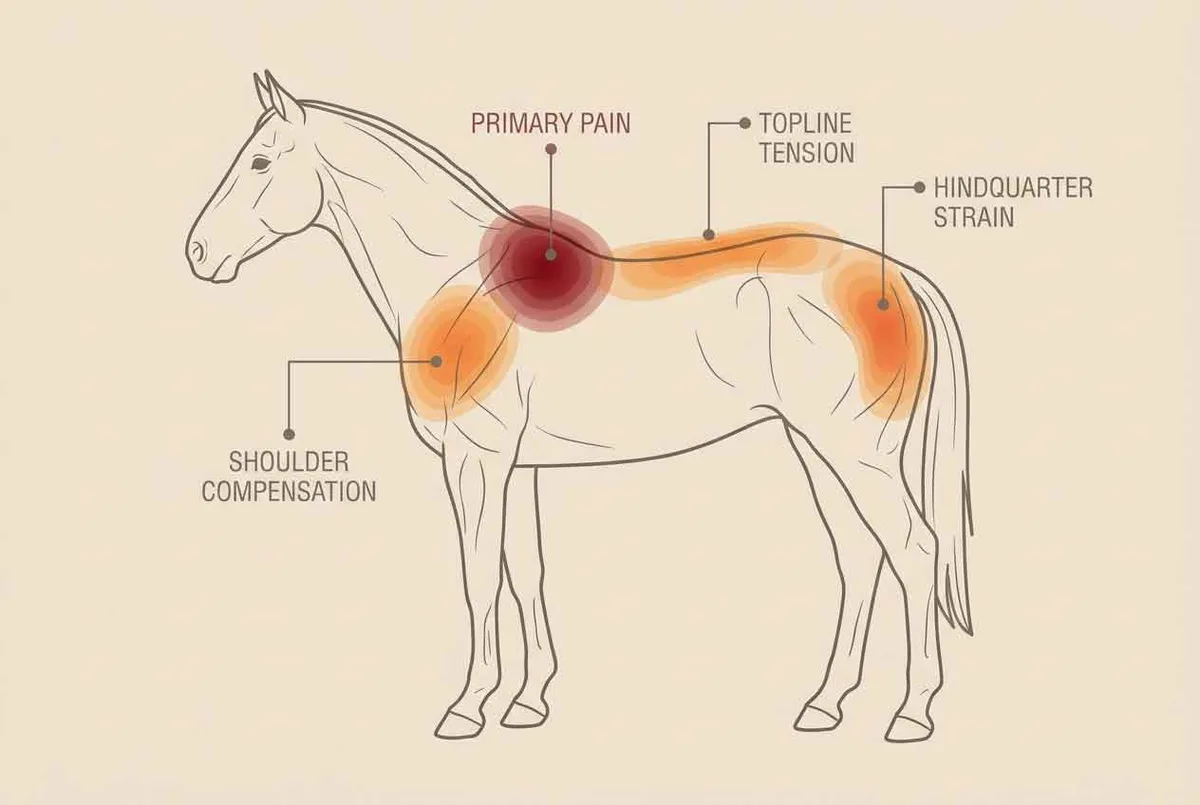
This comprehensive approach made sense to me. Instead of just targeting problem spots, why not support the entire back?
The difference in Max's movement after 30 days was undeniable.
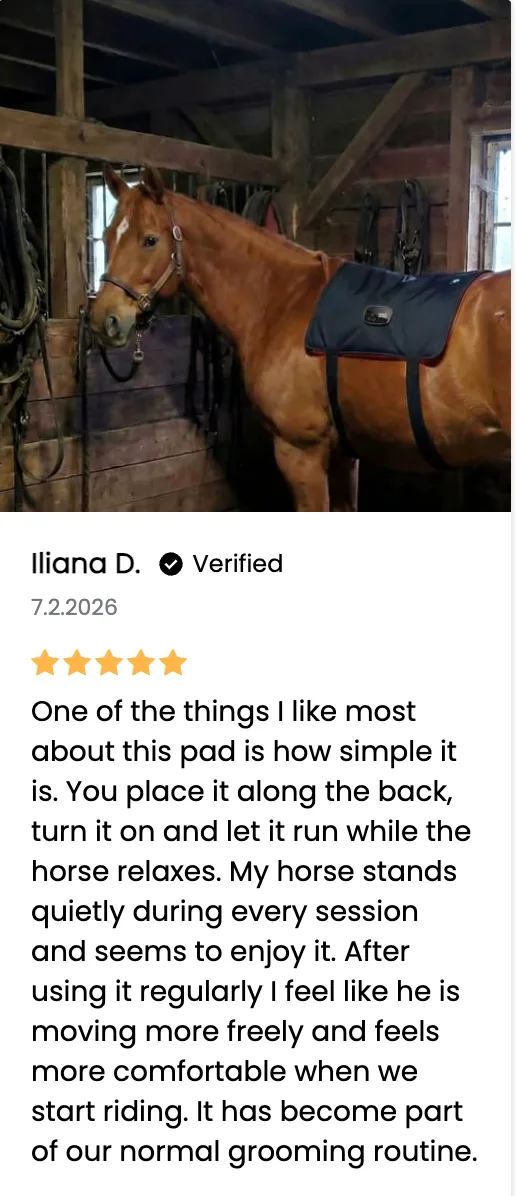
I'm not alone. The HorseHalo community includes thousands of horse owners dealing with similar challenges.
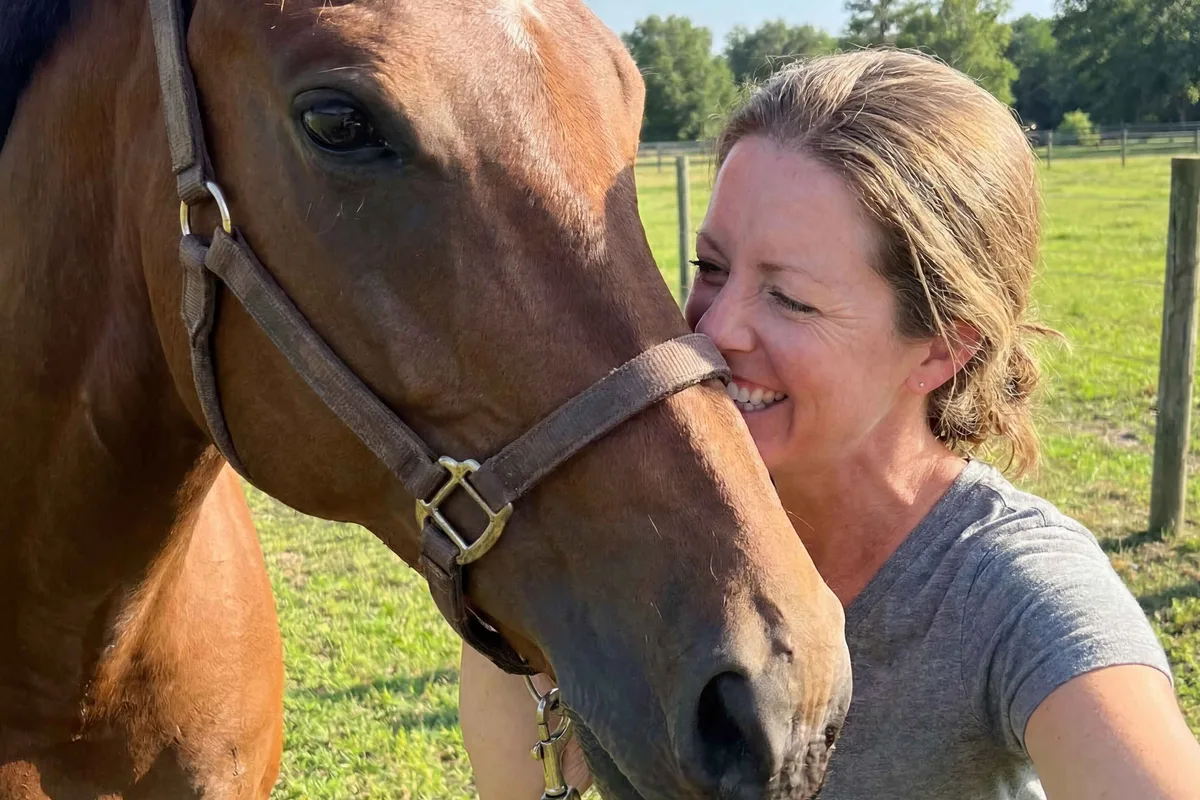
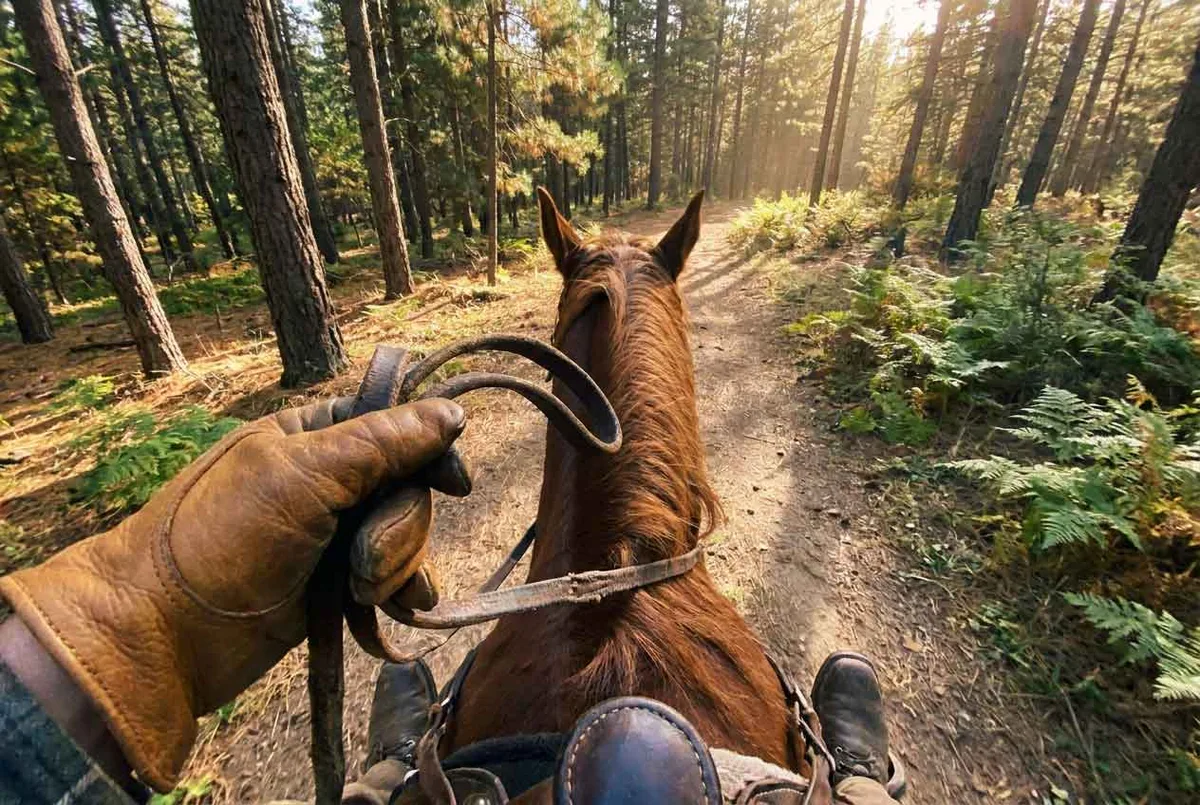
Six months later, Max and I have found our new normal. We don't jump anymore - that chapter has closed. But we're back on the trails, enjoying relaxed rides without pain or fear.
The HaloBack has become part of our daily routine, like grooming or feeding. 20 minutes before our rides, sometimes again after if he's worked hard. It's not about curing kissing spine - it's about supporting his comfort and quality of life.
Do I wish I'd found this sooner? Absolutely. Those months of watching Max suffer still haunt me. But I'm grateful we found a way forward that doesn't involve constant injections or risky surgery.
Is this a cure for kissing spine?
No. There's no cure for kissing spine. The HaloBack is a supportive tool that may help with comfort and muscle tension. Always work with your veterinarian.
How long before seeing results?
Every horse is different. Some owners report changes within days, others take weeks. Consistency is key.
Can it be used with other treatments?
Yes. Many owners use it alongside veterinary treatments, physiotherapy, and proper training programs.
Is it safe for all horses?
The red light and gentle vibration are non-invasive. However, always consult your vet before starting any new therapy.
What if it doesn't work for my horse?
While many horses benefit, results vary. The company offers support and guidance to help optimize use for your horse's needs.
If you're reading this because your horse has back pain, kissing spine, or mysterious performance issues, I understand your desperation. I've been there. The sleepless nights, the guilt, the financial stress - it's overwhelming.
The HaloBack isn't magic. It won't cure kissing spine or replace proper veterinary care. But for Max and thousands of other horses, it's providing the daily support their backs desperately need.
Combined with good veterinary care, proper saddle fit, and appropriate exercise, this technology offers something we desperately needed - hope. Hope that our horses can be comfortable. Hope that we can still enjoy our partnership, even if it looks different than before.
I can't promise this will work for every horse. But I can tell you it gave Max - and me - our lives back.
The HaloBack isn't a replacement for proper veterinary care. Max still sees his vet regularly, and we've adjusted his training program. But this technology has become an essential part of his daily care routine. The gentle, consistent support it provides has made a difference I can see every day.
I spent months watching Max suffer while trying treatment after treatment. If your horse is dealing with back pain, kissing spine, or muscle tension, you owe it to them to explore every supportive option. The HaloBack offers a non-invasive, drug-free approach that complements traditional veterinary care.